The History of Undercoating: From Tar to Graphene, and What Minneapolis Drivers Should Use Now
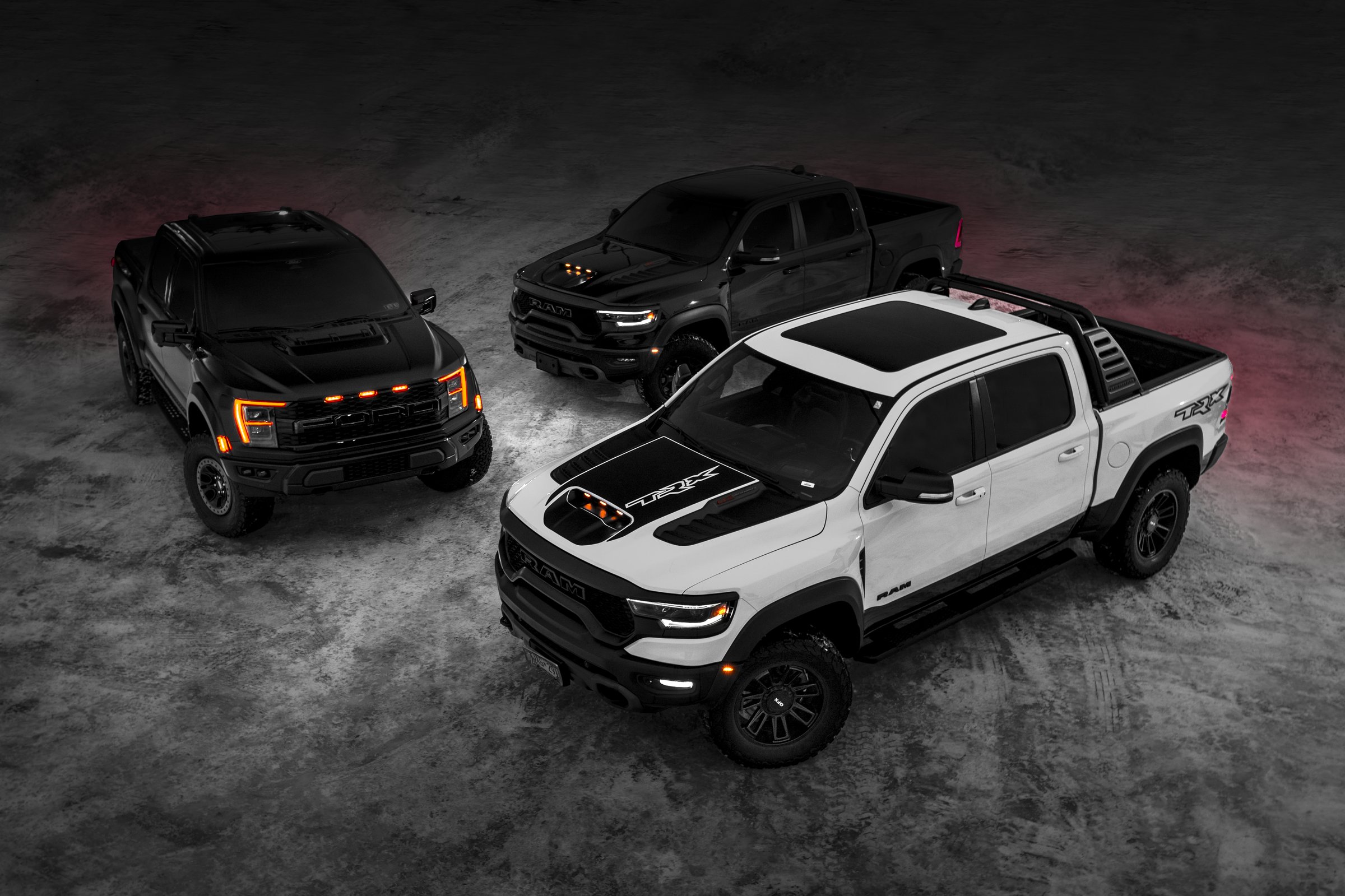
Undercoating has gone through three generations: tar and rubberized shells that crack and trap moisture, wax-based inhibitors that creep and self-heal, and graphene-reinforced IGL Aegis. Here is how each works and which belongs under a Minnesota vehicle.
Minnesota puts more salt, brine and slush on the underside of a vehicle than almost anywhere in the country. That is why undercoating has been part of car ownership here for generations. But "undercoating" is not one product. It is three very different technologies, and the newest one works nothing like the first.
Generation one: tar, asphalt and rubberized shells (1950s to today)
Early rustproofing experiments included asphalt and even chicken fat; tar and tar-like compounds followed in the 1950s and were used for decades. The idea was simple: spray a thick, black, waterproof layer over the underbody and keep water away from the steel. Asphalt-based undercoating was the factory standard on most vehicles through the 1980s and 1990s, and rubberized aerosols still sell today.
The problem is physics. These coatings cure into a rigid film. Cold snaps make them brittle, chassis flex opens hairline cracks at seams and weld lines, and gravel chips the surface. Once a crack opens, salty water wicks behind the coating and cannot evaporate. A moisture barrier works in both directions: over clean metal it keeps water out, but over a crack or a poorly prepared surface it keeps water in. The steel stays wet around the clock under a shell that still looks fine from below. Because the coating is opaque, nobody sees the rust until a mounting point goes soft or brown stains bleed through the edges.
Applied over existing surface rust, a hard coating is worse still: it seals moisture and oxygen against the metal and hides the corrosion as it spreads.
Generation two: wax and oil-based rust inhibitors
The second generation flipped the approach. Instead of a hard shell, products like Waxoyl, lanolin sprays and oil-based inhibitors stay soft. They flow into seams, pinch welds, box sections and hollow cavities by capillary action, displace moisture and leave a flexible film. If a stone scuffs the film, the wax creeps back and re-seals the spot. Nothing cracks, nothing traps water, and the metal can be inspected and touched up.
These products work well, and they remain the best way to protect the inside of doors, rocker panels and frame rails, areas a sprayed underbody coating simply cannot reach. Their limitation is durability on exposed surfaces: a soft film wears and washes off where the tires throw spray, so it needs to be renewed on a schedule, and it can drip after application and attract dirt.
Generation three: IGL Aegis, a graphene-reinforced two-part coating
IGL Aegis is a different category of product. It is a two-component (2K) system: a silicone-hybrid resin and a catalyst that react chemically when mixed, curing into a hard, thin, transparent film roughly 100 microns thick. It bonds directly to steel with no primer.
What sets it apart is graphene. Aegis is reinforced with graphene nanotubes, which create a dense barrier that makes it dramatically harder for water molecules and salt ions to travel through the coating to the metal beneath. IGL reports that Aegis has survived 6,000 hours of ASTM B117 salt-spray testing (verified by TÜV) and 4,000 hours of water immersion, which earns it a C5 corrosion rating, the classification used for severe marine and industrial environments. The same coating is used on bridges, boat trailers, heavy equipment and 4x4 chassis.
For a Minnesota vehicle, three things matter most:
- You can see the metal. Aegis is clear. The hidden-rust failure of generation one disappears, because any problem is visible at every inspection.
- It does not wash off. Unlike a soft wax or oil, a cured 2K film stays put through pressure washes and winter spray.
- It sheds salt. The coating is hydrophobic, so brine and grime rinse off instead of clinging to the frame.
Which one should a Minneapolis driver choose?
Think of it as a system rather than a single product. IGL Aegis is the state of the art for the exposed underbody: frame rails, floor pans, suspension components and brake lines. Waxoyl is still the right choice for enclosed cavities that a spray coating cannot reach. Combining the two covers the vehicle inside and out.
Pristine Detail installs IGL Aegis and Waxoyl at our Edina shop at 4444 W 76th St, minutes from Highway 100 and I-494, serving Minneapolis, Edina, Eden Prairie, Bloomington, Minnetonka and the southwest metro. Every application starts with a pressure wash, degrease and inspection, because any coating is only as good as the surface under it. If your vehicle already has surface rust, we will tell you honestly what we see before anything is sprayed.
See the packages and request a quote on our undercoating and rust protection page, or read our guide to protecting your car from Minnesota road salt.
Sources